Guide
Memory and Focus Guide: Normal Forgetting, Warning Signs and What Actually Helps
Some forgetting is normal with age. Getting lost in familiar places or asking the same questions again is a reason to see a doctor. The habits with the best evidence are activity, 7-9 hours of sleep, blood pressure control, hearing care and not smoking. No vitamin or supplement is recommended to prevent cognitive decline, so Memocept is at most an extra.
Start here
Which memory slips are normal, and which are warning signs?
Most everyday lapses are part of a normal, busy brain.
Forgetting a name and remembering it later is common at any age. Losing track of time, places or people you know well is different, and it needs a medical check (NIA, Memory problems).
The National Institute on Aging draws the line by effect on daily life. A slip that you catch and fix is usually normal. A pattern that keeps you from handling money, driving or finding your way home is not.
| Usually normal | Reason to see a doctor |
|---|---|
| Misplacing keys or glasses now and then | Putting things in odd places and not being able to retrace steps |
| Forgetting a name, then recalling it later | Asking the same questions over and over |
| Missing a monthly payment once | Trouble handling bills that were easy before |
| Walking into a room and forgetting why | Getting lost in a place you know well |
| Losing a word in the middle of a sentence | Growing confusion about time, people and places |
Source: NIA, Memory Problems, Forgetfulness, and Aging (NIA, Memory problems). The table is a guide, not a test.
Warning signs
When should memory problems go to a doctor before any supplement?
Go to a doctor first whenever memory changes affect daily life. Many causes can be treated, such as medicine side effects, low vitamin B12, thyroid problems, poor sleep, depression or heavy drinking (NIA, Memory problems).
Book a visit with a doctor. A supplement can delay that visit, and some causes are easier to treat when found early.
A few simple notes make the appointment more useful:
- Write down what changed, when you first noticed it and how often it happens.
- Bring a list of every medicine and supplement you take, with doses.
- Ask a family member or friend to come along. They often notice things you miss.
- Note sleep, mood and alcohol use, since all three affect memory.
What helps
What habits help memory and focus, according to the research?
Six habits show up again and again in NIA and CDC advice.
The strongest evidence points to everyday habits, not pills. Moving your body, sleeping well and keeping blood pressure in range come first on the NIA list (NIA, Cognitive health).
Move 150 minutes a week
Adults need at least 150 minutes of moderate activity each week. Brisk walking counts. Regular activity can lower the risk of cognitive decline (CDC, Activity and the brain).
Sleep 7 to 9 hours
Most adults need 7 to 9 hours a night. Short sleep hurts attention the next day, and long-term poor sleep is linked to memory problems (NIA, Cognitive health).
Control blood pressure
High blood pressure in midlife is a known risk factor for dementia. Checking it and treating it matters for the brain as well as the heart (NIA, Cognitive health) (CDC, Dementia risk).
Treat hearing loss
The CDC lists hearing loss among dementia risk factors. A hearing test is simple, and hearing aids help many people (CDC, Dementia risk).
Do not smoke
Smoking is on the CDC risk list. Quitting at any age helps blood vessels, including the ones that feed the brain (CDC, Dementia risk).
Watch alcohol and blood sugar
Heavy drinking and uncontrolled diabetes both raise risk. Both are worth talking over with your doctor (CDC, Dementia risk).
The CDC estimates that nearly 45% of dementia cases may be prevented or delayed by working on risk factors like these (CDC, Dementia risk). That estimate covers groups of people. It does not promise a result for any one person.
The numbers
Which memory and focus numbers are worth remembering?
Focus
Why does focus slip on some days and not others?
Focus depends a lot on the day you are having. A short night, stress, skipped meals and constant alerts all pull attention away from one task.
These causes are common and fixable. Try one change at a time for a week, so you can tell what helped.
- Protect your sleep window first. It is the base for everything else (NIA, Cognitive health).
- Take a short walk when attention fades. Activity also counts toward your weekly 150 minutes (CDC, Activity and the brain).
- Silence alerts during one block of work each day.
- Eat regular meals and drink water through the day.
Focus problems that last for months, or that come with low mood or poor sleep, belong with a doctor too.

Supplements
What does research show about supplements for memory and focus?
The research is thin. A review by the National Center for Complementary and Integrative Health found no conclusive evidence that popular brain supplements prevent or slow cognitive decline (NCCIH, Supplements and cognition).
The NIA goes further. It says no vitamin or supplement is recommended for preventing Alzheimer's disease or cognitive decline (NIA, Cognitive health).
| Supplement | What the review found |
|---|---|
| Ginkgo | No conclusive evidence of preventing or slowing decline |
| Omega-3 fatty acids | No conclusive evidence of protecting thinking or memory |
| Vitamin E | No conclusive evidence of benefit for memory |
| B vitamins | No conclusive evidence of preventing decline |
| Arginine, citrulline, beta-alanine | Not covered by the review |

The ingredients in Memocept were never the subject of those memory reviews. Their research looks at exercise and blood pressure, as our ingredient breakdown explains.
Memocept
Where does Memocept fit in a memory and focus plan?
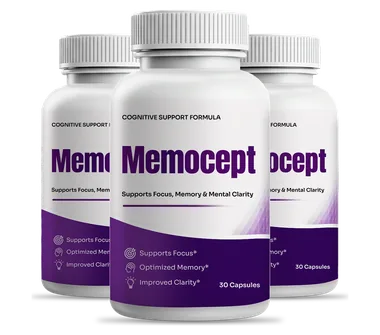
Memocept is at most an extra, added after the habits above. The label says it "Supports Focus, Memory & Mental Clarity", but no study has tested Memocept itself.
What the label does well
- The full Supplement Facts panel is published, with every amount. See the Memocept label.
- A single daily capsule with a vegetable shell.
- Niacin at 47% of the Daily Value is a real nutritional amount.
What to weigh
- Arginine and citrulline are far below the gram doses used in studies.
- No ingredient has human evidence for memory or focus in the sources we checked.
- Arginine and citrulline can lower blood pressure, so check with your doctor if you take heart medicine. Details on side effects and interactions.
If you want a way to judge Memocept or any rival product, the supplement checklist walks through each step.
Plan
How can you build a simple four-week memory and focus routine?
Start small and add one habit per week. By week four the routine covers the biggest evidence-backed areas.
- Week 1
Set a fixed bedtime and wake time. Aim for 7 to 9 hours in bed asleep.
- Week 2
Add three brisk 20-minute walks. Build toward 150 minutes a week.
- Week 3
Check your blood pressure at a pharmacy or with your doctor. Book a hearing test if people seem to mumble.
- Week 4
Review alcohol and smoking. If you want to try a supplement, bring the label to your doctor first.
Keep a short notebook of sleep hours and minutes of activity. Written records beat memory when you look back.
Sources
Which sources does the memory and focus guide rely on?
Every claim above links to a U.S. health agency. Read them in full for more detail.
- Dietary Supplements and Cognitive Function, Dementia, and Alzheimer's Disease: What the Science Says. National Center for Complementary and Integrative Health, 2022.No conclusive evidence for ginkgo, omega-3s, vitamin E or B vitamins in preventing or slowing cognitive decline. Arginine, citrulline and beta-alanine are not covered.
- Cognitive Health and Older Adults. National Institute on Aging, 2024.No vitamin or supplement is recommended for preventing Alzheimer's or cognitive decline. Aim for 150 minutes of activity a week and 7-9 hours of sleep; controlling blood pressure matters.
- Memory Problems, Forgetfulness, and Aging. National Institute on Aging, 2023.Occasionally misplacing things is normal. Asking the same questions over and over, getting lost in familiar places or growing confusion about time and people are reasons to see a doctor.
- Reducing Risk for Dementia. Centers for Disease Control and Prevention, 2024.Risk factors include inactivity, high blood pressure, uncontrolled diabetes, hearing loss, smoking and alcohol; nearly 45% of dementia cases may be prevented or delayed.
- Physical Activity Boosts Brain Health. Centers for Disease Control and Prevention, 2025.Regular activity can reduce the risk of cognitive decline; adults need at least 150 minutes of moderate activity a week.
FAQ
Memory and focus guide FAQ
Is it normal to forget names as you get older?
Yes. Forgetting a name and recalling it later is a common part of aging. Repeated questions or getting lost in familiar places are reasons to see a doctor (NIA, Memory problems).
Can a supplement prevent memory loss?
No vitamin or supplement is recommended by the National Institute on Aging for preventing cognitive decline (NIA, Cognitive health). Memocept makes no such claim, and its label speaks only of support.
What is the single best habit for memory?
There is no single habit. Activity, sleep and blood pressure control carry the most weight in NIA advice, and they work best together.
How much exercise helps the brain?
The CDC advises at least 150 minutes of moderate activity each week, such as brisk walking (CDC, Activity and the brain).
Does Memocept improve memory?
That has never been tested. The label says it supports focus, memory and mental clarity. None of its ingredients has human memory research in the sources we checked.
Should I tell my doctor about a memory supplement?
Yes. Bring the label to any visit, especially if you take blood pressure medicine, because arginine and citrulline can lower blood pressure.
Keep reading
More about Memocept

Choosing a memory supplement
A six-step label checklist for any memory or focus supplement, with Memocept scored step by step.
Read moreWhat actually helps memory and focus
The habits NIA and CDC back, what supplement studies show, warning signs, and a simple weekly plan.
Read moreSide effects
Blood pressure, nitrates, sildenafil, heart attack history, stomach upset, niacin flushing and the label cautions, all in one place.
Read moreUSA Authorized Memocept Retailer
Ready to try Memocept with the 60-day guarantee?
Order through the authorized retailer's page so your order ID is on file with the refund desk. One capsule a day; even the 2-bottle pack covers the whole 60-day window.
Questions before you buy? Call +1 (507) 448-8190. 60-day money-back guarantee, return shipping paid by the buyer.