Blog
What Actually Helps Memory and Focus: The Evidence, a Weekly Plan and Where Memocept Fits
The habits with the best evidence are regular activity (at least 150 minutes a week), 7-9 hours of sleep and keeping blood pressure in check (NIA, Cognitive health) (CDC, Activity and the brain). The NIA says no vitamin or supplement is recommended to prevent cognitive decline. Memory problems that affect daily life need a doctor. A supplement like Memocept can only sit beside these basics.

The short answer
What actually helps memory and focus?
Everyday habits help most: moving your body, sleeping enough and keeping your blood pressure in a healthy range (NIA, Cognitive health).
That answer can feel too plain. Many people hope for a single pill that does the work. The research points the other way. Health agencies put their weight behind habits, not products.
Focus also slips for simple reasons. A short night, a skipped meal, a noisy room or a phone that buzzes every few minutes can all pull your attention away. Fixing those comes first.
Two agencies lead the advice: the National Institute on Aging (NIA) and the Centers for Disease Control and Prevention (CDC). Supplements, including Memocept, come after their basics.
NIA advice
What does the NIA recommend for memory and thinking?
The NIA points to activity, sleep and blood pressure control. It also says no vitamin or supplement is recommended to prevent Alzheimer's or cognitive decline (NIA, Cognitive health).
Move often
Aim for about 150 minutes of activity a week. Brisk walking counts (NIA, Cognitive health).
Sleep 7-9 hours
Adults should get 7-9 hours a night. A steady bedtime makes that easier (NIA, Cognitive health).
Watch blood pressure
High blood pressure in midlife is linked to later thinking problems. Controlling it matters (NIA, Cognitive health).
The NIA also suggests keeping your mind busy and staying in touch with people. Learning a skill, reading, and seeing friends are simple ways to do both.
CDC advice
What does the CDC say about lowering dementia risk?
The CDC lists risk factors you can change. It says nearly 45% of dementia cases may be prevented or delayed by working on them (CDC, Dementia risk).
- Being physically inactive
- High blood pressure
- Diabetes that is not under control
- Hearing loss that goes untreated
- Smoking
- Drinking too much alcohol
Notice what the list holds. It is about the heart, blood sugar, ears and lifestyle. What is good for your heart tends to be good for your brain too.
Hearing may surprise you. When you struggle to hear, your brain works harder to follow a talk, and you may pull back from people. A hearing check is an easy step.
Activity and sleep
How do activity and sleep help focus?
Regular activity can lower the risk of cognitive decline, and adults need at least 150 minutes of moderate activity each week (CDC, Activity and the brain). That is 30 minutes on five days.
Moderate means you breathe harder but can still talk. A brisk walk, a bike ride or yard work all count. Short blocks of 10 minutes add up.
Sleep is the other half. After a short night, most people find it harder to stay on task. Guard your sleep before you add anything new.
Stress matters too. A few slow breaths or a short walk between tasks can help you reset before the next job.

By the numbers
Which numbers matter most for memory and focus?
Supplements
What does research show about brain supplements?
The research is weak so far. The National Center for Complementary and Integrative Health found no conclusive evidence that popular brain supplements prevent or slow cognitive decline (NCCIH, Supplements and cognition).
| Supplement | What the review found |
|---|---|
| Ginkgo | No conclusive evidence of benefit (NCCIH, Supplements and cognition) |
| Omega-3 fatty acids | No conclusive evidence of benefit (NCCIH, Supplements and cognition) |
| Vitamin E | No conclusive evidence of benefit (NCCIH, Supplements and cognition) |
| B vitamins | No conclusive evidence of benefit (NCCIH, Supplements and cognition) |
| Arginine, citrulline, beta-alanine | Not covered in the review |
These are some of the most studied brain supplements. If they fall short, a new formula needs strong proof of its own.
The amino acids in Memocept were studied for exercise and blood pressure, not memory. Our post on arginine and citrulline explains those studies.
When to see a doctor
When is forgetfulness a reason to see a doctor?
Mild forgetfulness is common. Losing your keys now and then, or reaching for a name, is a normal part of life (NIA, Memory problems).
The NIA lists signs such as asking the same questions over and over, getting lost in places you know well, and growing confusion about time, people and places (NIA, Memory problems). A doctor can look for causes. Some, like medicine side effects, low vitamin B12 or thyroid problems, can be treated.
Do not wait on a supplement to see if things get better. An early visit gives you answers sooner. Bring a family member if that makes it easier.
A weekly plan
What does a simple weekly plan for memory and focus look like?
Keep it simple and repeat it. Five walks, a steady bedtime and one or two social or learning blocks cover the basics.
| Day | Move | Mind and people | Sleep and health |
|---|---|---|---|
| Monday | 30-minute brisk walk | Plan the week's top 3 tasks | Same bedtime, 7-9 hours |
| Tuesday | 30 minutes: bike or swim | 20 minutes learning a skill | Phone out of the bedroom |
| Wednesday | 30-minute brisk walk | Call or meet a friend | Check blood pressure |
| Thursday | Rest or gentle stretching | Read for 20 minutes | Same bedtime |
| Friday | 30 minutes: dance or yard work | One focused work block, no alerts | Limit alcohol |
| Saturday | 30-minute walk with someone | Game, puzzle or class | Same wake time |
| Sunday | Rest | Look back on the week | Refill any medicines |
Five 30-minute sessions make 150 minutes. If you have a home blood pressure cuff, use it; a pharmacy machine also works. Ask your doctor what your target is.
Where Memocept fits
Where does a supplement like Memocept fit in?
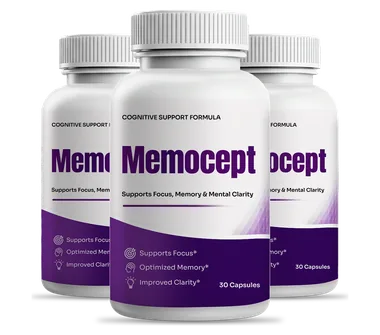
It fits beside the habits, never in place of them. The label says "Supports Focus, Memory & Mental Clarity," but no trial of Memocept has been published, and its ingredients were not tested for memory.
What Memocept offers
- A full Supplement Facts panel with every amount printed.
- One capsule a day, which is easy to pair with breakfast.
- A 60-day money-back guarantee as a purchase policy.
What it does not offer
- Human evidence for memory or focus.
- Amino acid amounts near research doses.
- A substitute for sleep, activity or a doctor visit.
Take one capsule daily as the label says. The brand's graphic suggests the morning with a meal. If you take heart or blood pressure medicine, ask your doctor first, and read our side effects page.
For a longer look at habits, see the memory and focus guide. To compare products, use our checklist for choosing a memory supplement.
FAQ
Memory and focus FAQ
What is the single best habit for memory?
No single habit wins, but regular activity has strong support. Adults should aim for at least 150 minutes a week (CDC, Activity and the brain).
Does any supplement prevent cognitive decline?
The NIA says no vitamin or supplement is recommended for that (NIA, Cognitive health). Reviews of ginkgo, omega-3s, vitamin E and B vitamins found no conclusive benefit (NCCIH, Supplements and cognition).
How much sleep do adults need for focus?
The NIA suggests 7-9 hours a night. A steady bedtime and wake time help.
Is it normal to forget names sometimes?
Yes. Occasional lapses are common. Repeated questions, getting lost in familiar places or confusion about time are reasons to see a doctor (NIA, Memory problems).
Can Memocept replace these habits?
No. Memocept is a dietary supplement with no published trial for memory or focus. Habits and medical care come first.
Why does blood pressure matter for the brain?
High blood pressure is a risk factor for dementia on the CDC list (CDC, Dementia risk). Keeping it in range helps your heart and brain.
Keep reading
More about Memocept

Memory and focus guide
Normal forgetting vs warning signs, the habits with real evidence, and what supplement research shows.
Read more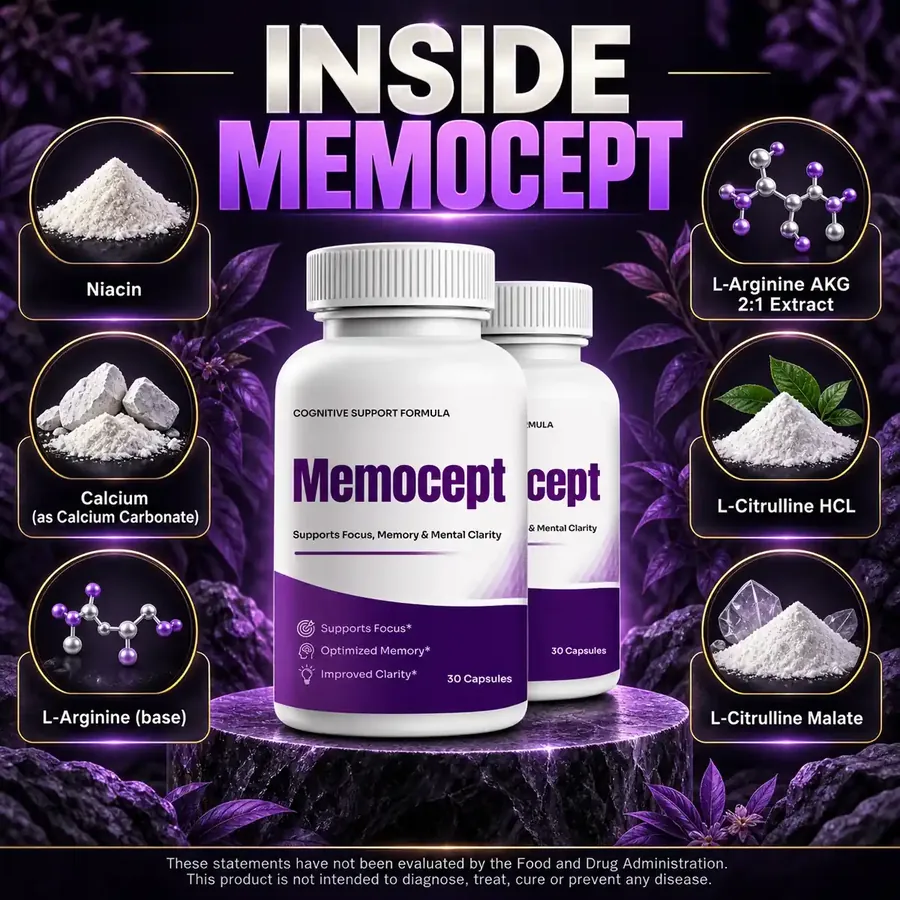
Choosing a memory supplement
A six-step label checklist for any memory or focus supplement, with Memocept scored step by step.
Read more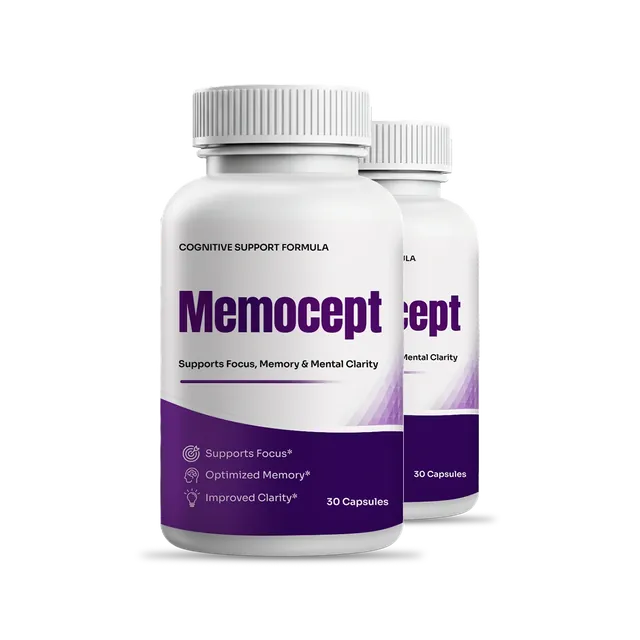
Reading a brain supplement label
A step-by-step way to read any Supplement Facts panel, with Memocept's label as the worked example.
Read moreUSA Authorized Memocept Retailer
Ready to try Memocept with the 60-day guarantee?
Order through the authorized retailer's page so your order ID is on file with the refund desk. One capsule a day; even the 2-bottle pack covers the whole 60-day window.
Questions before you buy? Call +1 (507) 448-8190. 60-day money-back guarantee, return shipping paid by the buyer.